

Margins in custom printing rarely collapse overnight. They erode quietly, one small decision at a time, until profits feel thinner than expected. A shop may stay busy, machines running daily, orders stacking up, yet the bank balance tells a different story. This gap often comes from avoidable operational errors rather than lack of demand. Early production choices, pricing habits, and workflow discipline all shape long-term financial health. Many print businesses now explore affordable dtf transfers as a way to balance quality and cost, but even cost-friendly solutions fail if deeper mistakes remain unchecked. Understanding where money leaks out is the first step toward stopping it.
Underpricing Services to Win More Orders
 One of the most damaging mistakes is setting prices too low in an attempt to attract customers. While cheap pricing may increase order volume, it often leaves little room for material costs, labor, equipment wear, and unexpected reprints. Over time, this strategy traps businesses in a cycle of high workload with weak returns. Many printers forget to factor in indirect expenses such as utilities, maintenance, and downtime. A price that looks competitive on paper can quietly drain resources once real costs surface. Sustainable pricing reflects actual production effort rather than market pressure alone.
Poor Inventory and Material Management
Disorganized inventory practices eat into profits faster than many owners realize. Overstocking ties up cash in unused materials, while understocking causes rushed purchases at higher prices. Expired inks, damaged films, and misplaced supplies often end up written off as losses. Without tracking usage patterns, businesses struggle to predict reorder points accurately. Materials bought without planning may expire before use, especially in shops with fluctuating order sizes. Clear inventory systems reduce waste, control spending, and stabilize cash flow across busy and slow periods.
Ignoring Equipment Maintenance Costs
Skipping regular equipment care may feel like a time saver, but it usually leads to costly breakdowns. Printers, heat presses, and cutters operate under constant stress, and minor issues grow when ignored. Dirty components can cause print defects, leading to rejected orders and rework. Emergency repairs cost more than routine servicing and often halt production at critical times. Lost production hours directly affect revenue, especially for shops running tight schedules. Maintenance should be treated as part of operational cost planning rather than an optional task.
Excessive Reprints and Quality Failures
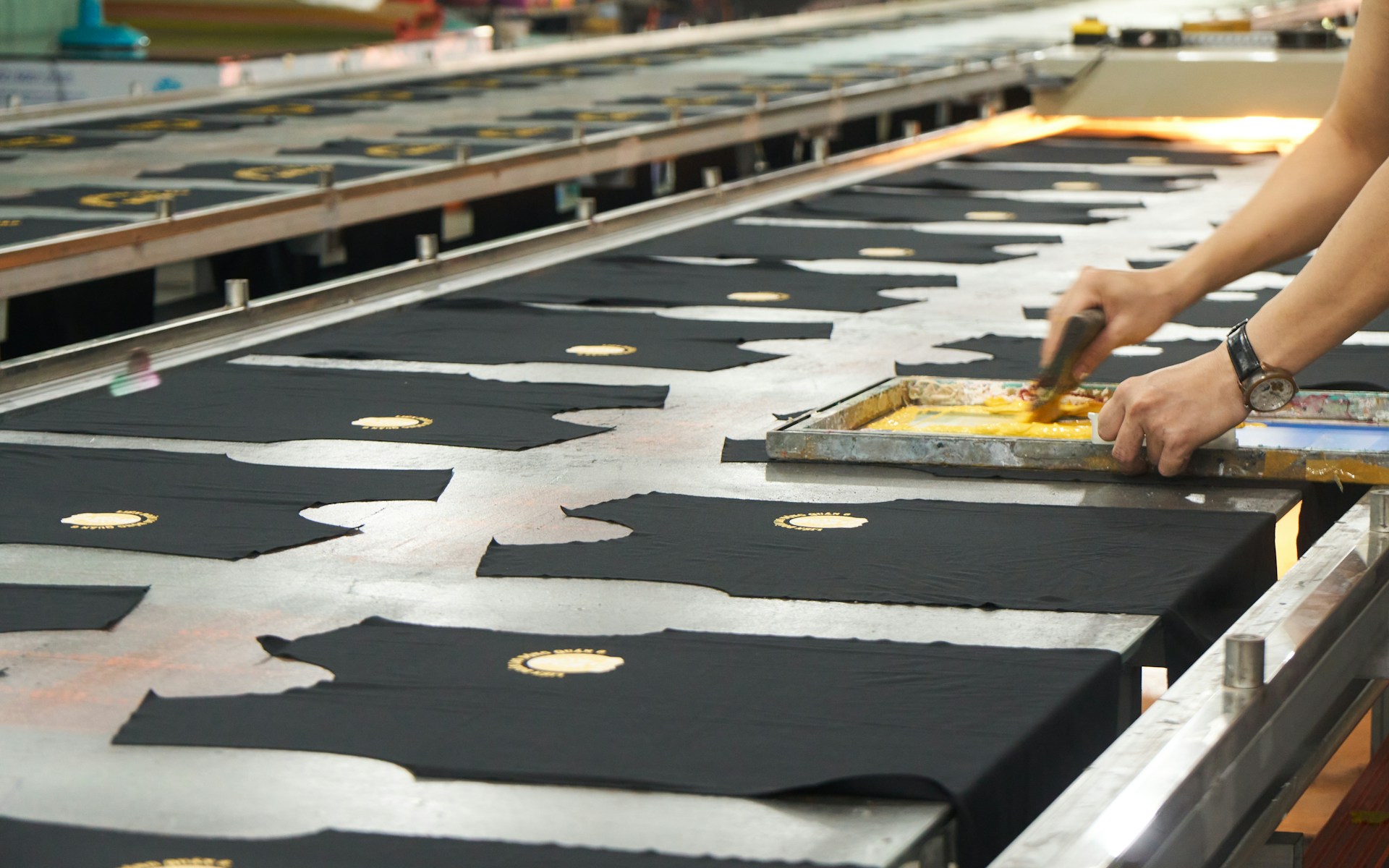
Every reprint reduces profit from an order. Errors caused by poor artwork setup, incorrect heat settings, or rushed handling quickly add up. A single mistake might seem minor, but repeated across dozens of orders, it becomes expensive. Some businesses absorb reprint costs silently to keep customers happy, without tracking the financial impact. Over time, this habit lowers margins and hides production inefficiencies. Consistent workflows, test runs, and clear quality checks reduce costly errors and protect revenue on each job.
Overlooking Time as a Financial Resource
Time mismanagement is an invisible margin killer. Jobs that take longer than planned increase labor costs and delay other orders. Inefficient layouts, unclear task assignments, and frequent interruptions slow production without being obvious on invoices. Many shops fail to calculate labor cost per order accurately, treating time as unlimited. When staff hours exceed what pricing allows, profit disappears even if materials are controlled. Streamlined workflows and realistic production timelines help align labor use with pricing structure.
Profit margins in custom printing suffer most from small, repeated missteps rather than dramatic failures. Underpricing, poor inventory habits, neglected equipment, frequent reprints, and wasted time quietly chip away at earnings. Addressing these five mistakes helps businesses regain control over costs and build more predictable financial outcomes. By tightening operations and treating every resource with discipline, printing businesses can protect margins while continuing to grow in competitive markets.