
Your electricity bill arrived, and you nearly choked on your morning coffee. The numbers don’t lie, but they certainly don’t make sense either. You’re left scratching your head, wondering where all those kilowatts went. High electricity consumption often creeps up on homeowners like a sneaky cat burglar, silently draining wallets month after month. While you search for cheap electricity plans to ease the blow, understanding the main culprits behind excessive power usage can help you regain control over your energy costs. Let’s dive into the most common electricity vampires lurking in your home.
Heating and Cooling Systems Working Overtime
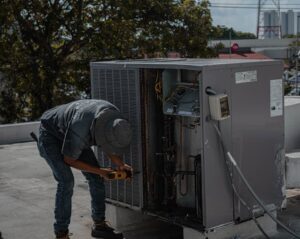 Your HVAC system is likely the biggest energy hog in your house, accounting for nearly half of your monthly electricity bill. These mechanical workhorses run constantly during extreme weather, fighting an uphill battle against Mother Nature. Poor insulation turns your home into a leaky bucket, forcing your heating and cooling systems to work twice as hard. Dirty air filters restrict airflow, making your system strain like an athlete running with a stuffy nose. Old or poorly maintained equipment operates with the efficiency of a gas-guzzling truck from the 1970s. Temperature settings that would make a polar bear sweat or a desert lizard shiver will send your electricity meter spinning like a carnival ride.
Appliances That Never Take a Break
Modern homes are packed with appliances that consume electricity around the clock, even when you think they’re off. Your refrigerator runs 24/7, and older models can be particularly thirsty for power. Water heaters work like dedicated employees, constantly maintaining temperature whether you need hot water or not. Washing machines, dryers, and dishwashers might seem innocent enough, but frequent use adds up faster than you’d expect. Electric ovens and stovetops can spike your usage during cooking marathons or holiday meal preparations. Even your computer, television, and gaming systems draw phantom power when in standby mode, like tiny electronic leeches.
Poor Home Insulation and Air Leaks
Your home’s envelope acts like a thermal barrier, but cracks and gaps turn it into Swiss cheese. Air leaks around windows, doors, and electrical outlets allow conditioned air to escape while outdoor air infiltrates freely. Inadequate attic insulation lets heat rise and disappear during winter while allowing scorching summer heat to penetrate your living spaces. Basement walls without proper insulation create temperature imbalances that force your HVAC system into overdrive. Single-pane windows conduct heat and cold like highway overpasses, making temperature control nearly impossible. These seemingly minor issues compound into major energy waste, like death by a thousand paper cuts.
Inefficient Lighting and Electronics
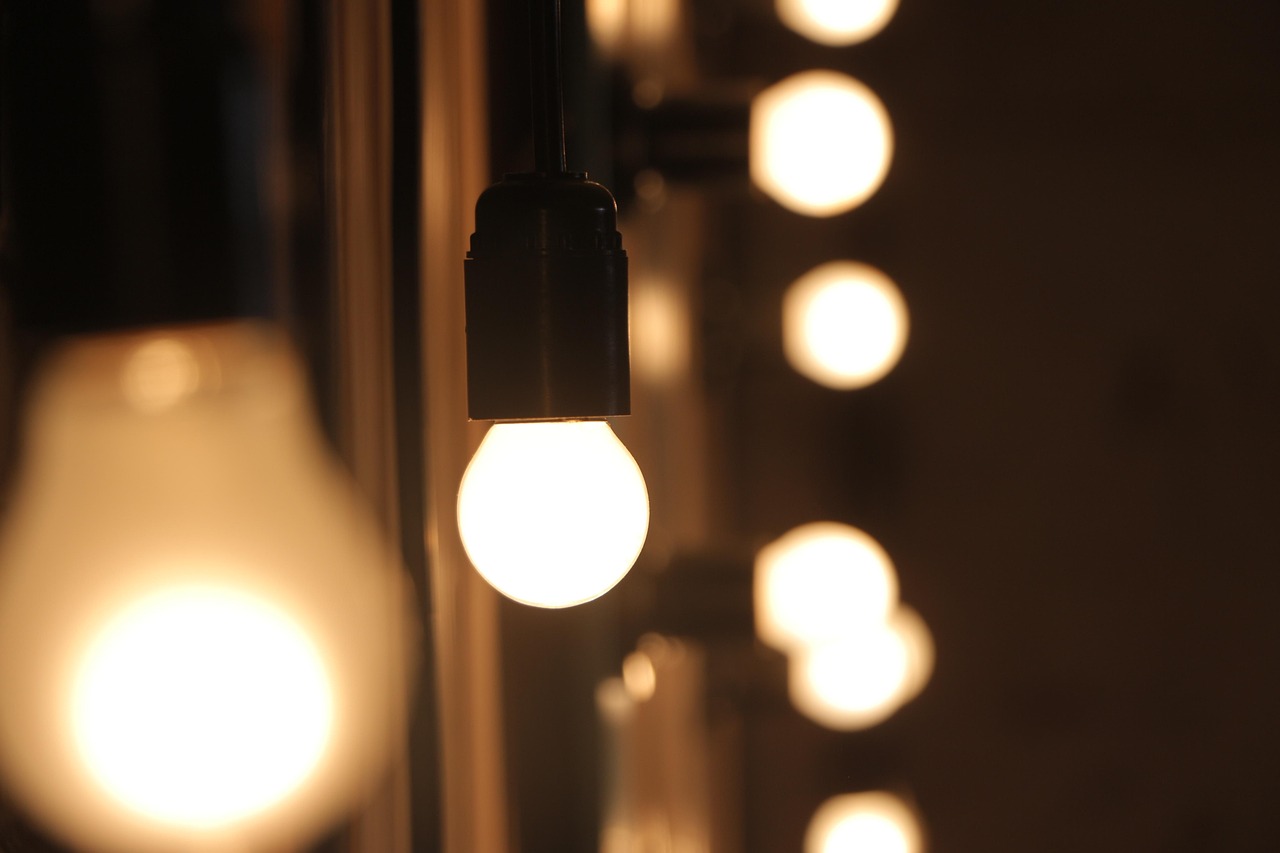
 Traditional incandescent bulbs convert most of their energy into heat rather than light, making them about as efficient as warming your hands over a toaster. Leaving lights on in empty rooms is like burning money for absolutely no reason. Multiple electronic devices plugged in throughout your home create a constant background drain on your electrical system. Older electronics operate with the energy efficiency of a horse-drawn carriage in the age of hybrid vehicles. Smart home devices, while convenient, can add up to significant consumption when you have dozens of them connected constantly.
Even phone chargers left plugged in without devices attached continue drawing small amounts of power, contributing to what experts call vampire loads. High electricity usage rarely stems from a single source but rather from a combination of factors working together like a perfectly orchestrated conspiracy against your wallet. Identifying these energy drains is the first step toward reclaiming control over your monthly bills. Small changes in habits, coupled with strategic upgrades to your home’s systems, can lead to substantial savings over time. Your future self will thank you when those shocking electricity bills become a thing of the past.